
Build a Doll
Fried Chicken GamesCasual
4.4131.00 Reviews
- Version
- 0.10.9
- Installs
- 10.00M
- Age Rating
- Everyone 10+
Screenshots
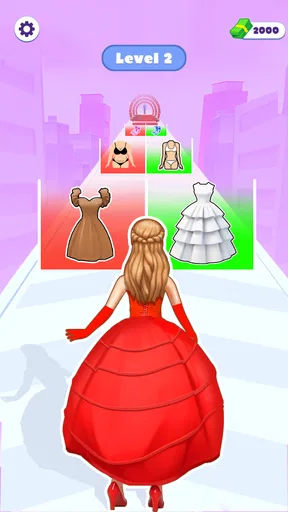
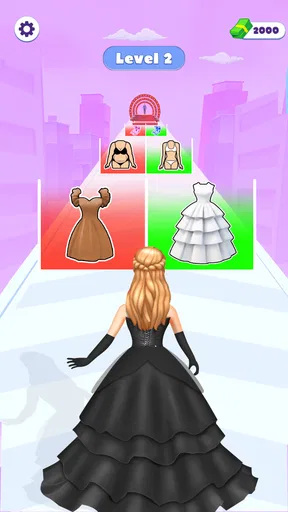
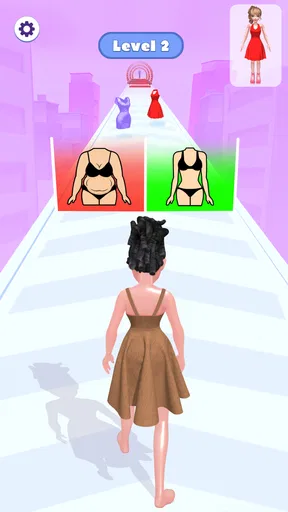
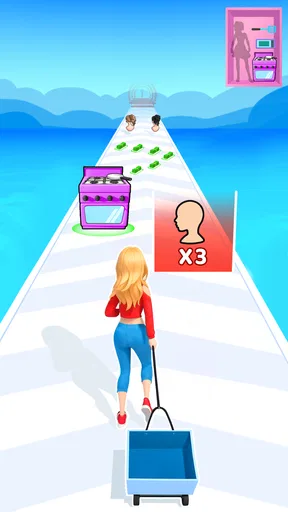

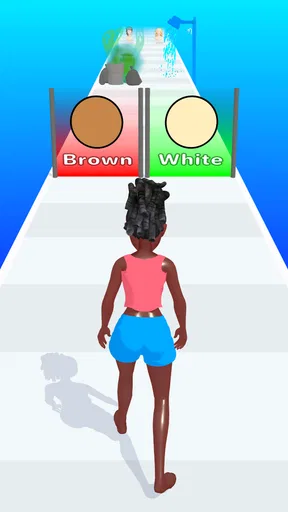
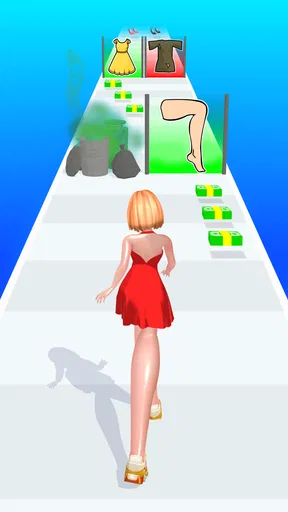

Our Review of Build a Doll
 Analysis by Appyee
Build a Doll is the kind of casual game I open when I want a quick creative distraction rather than a demanding challenge. The basic idea is easy to understand: make choices about a doll’s clothes and makeup, then work toward a queen-like final look. That simple goal gives each session an immediate purpose, while the visual theme makes the game more appealing than a completely abstract dress-up menu.
I spent time with it as a light styling game, paying attention not only to the outfits but also to how the game encourages me to continue. The strongest part is the quick decision-making: I am rarely wondering what to do next. The weaker part is that players looking for deep fashion design, a long-term story, or complex strategy may find the experience too narrow. In my view, this is best treated as a relaxed makeover game with a clear progression loop, not as a full fashion simulator.
How the first choices create a clear goal
The opening appeal comes from the goal itself. I am not simply selecting random garments; I am trying to shape one doll into someone who looks worthy of the “queen” result. That gives every clothing and makeup decision a little more meaning. Even when the choice is small, I can judge it against the overall image I am building.
That early goal works well because it is visual and immediate. I do not need to read a long explanation or learn a complicated control scheme before making progress. I can begin by considering the doll’s appearance, deciding whether a particular choice supports a polished royal style or pulls the look in another direction. For casual players, this low entry barrier is a real advantage.
The game’s category is clearly casual, and I think that description fits its rhythm. It is suitable for short breaks, especially when I want something that asks for attention without demanding complete concentration. A quick session can feel complete because the makeover has a visible endpoint. This makes it easier to play between everyday tasks than a game that expects a long uninterrupted run.
At the same time, the straightforward objective means the experience depends heavily on how satisfying the individual choices feel. Players who enjoy experimenting with appearance will get more from the process than players who need a strong narrative reason to continue. There is no need to pretend that the central task is more complicated than it is: the pleasure comes from styling, comparing options, and seeing the finished doll.
One useful way to approach the early stages is to avoid choosing each item in isolation. I found it more rewarding to decide on a general direction first. For example, I might aim for an elegant, dramatic, or playful result, then select makeup and clothing that support that direction. This creates a small personal challenge even when the game itself keeps the rules approachable.
Small decisions are more enjoyable when treated as a complete look
The most practical tip I can offer is to think in combinations rather than individual rewards. A striking item may look appealing on its own, but it can feel less successful if it clashes with the rest of the doll’s appearance. I got better results when I paused before each selection and considered color, mood, and the impression the final outfit was supposed to create.
This also gives the game a little more replay value than the store summary suggests. The objective remains simple, but my own standard for a finished look can change. On one attempt I may prioritize a refined appearance; on another, I may choose something more noticeable simply to see how the completed doll changes. That personal experimentation is where much of the casual enjoyment lives.
Still, I would not recommend approaching it as a game with endless creative freedom. The appeal is in making the available decisions, not in building every detail from scratch. If you want advanced garment editing, precise color control, or a large design toolkit, a dedicated fashion or avatar creator will probably suit you better. Build a Doll is more focused and more immediately accessible.
Progress signals, unlocks, and the feeling of moving forward
A casual makeover game needs clear signs that each choice matters. Here, the main progress signal is the changing appearance of the doll and the movement toward the queen-themed result. That visual feedback is easy to understand. I can see whether the current direction feels closer to the goal, which keeps the next decision from feeling completely arbitrary.
The progression is most effective when I treat each stage as a short styling problem. Instead of expecting a large strategic system, I look for the best way to improve the current look with the choices available. This creates a modest sense of accomplishment: the doll begins as a work in progress, and the completed presentation gives the session a natural payoff.
The developer, Fried Chicken Games, keeps the concept focused rather than burying it under unrelated activities. That focus helps the game remain approachable, particularly for someone who has never played a doll makeover title before. I can understand the purpose of the session quickly, and I do not have to manage a large collection of menus or systems before reaching the main activity.
There is also a useful distinction between progress and mastery. Progress means reaching a more finished or queen-like result. Mastery, for me, means learning how to make the available choices work together. The game is better at the first than the second. It gives me a reason to complete a look, but it does not turn styling into a deeply demanding craft.
That balance will appeal to players who enjoy visible results without wanting pressure. It may disappoint anyone who expects a detailed unlock tree or a long list of goals that steadily transform the game. I would describe the progression as light and readable. It supports short-term engagement, but it is not the kind of progression that alone can carry a very long play period.
How to make the progression feel less repetitive
My approach was to set a different personal target for each session. Rather than always chasing the most obviously glamorous result, I tried to make the doll feel consistent. One session could focus on a restrained and elegant combination, while another could aim for a bolder queen-inspired appearance. This turns the same basic decision loop into a small exercise in taste.
It is also worth judging progress by the finished image instead of rushing through every available choice. The game is easy to play quickly, but speed can make the decisions feel disposable. Taking a moment to compare the overall impression makes the visual changes more noticeable and gives the final result greater weight.
For younger players within the stated age guidance, this kind of self-directed goal can be helpful. They can focus on matching items, creating a theme, or simply seeing how the doll changes. Adults may enjoy it as a brief creative break, although players seeking a strong achievement structure should keep their expectations modest.
Difficulty and pacing: relaxed, readable, and limited
Build a Doll does not present itself as a difficult strategy game, and I think that is the right expectation. The challenge comes from making satisfying choices, not from mastering complex controls or surviving punishing obstacles. That makes the first sessions welcoming, but it also means the difficulty curve is gentle.
The pacing suits a game designed for quick engagement. I can make progress without committing to a long session, and the makeover objective helps prevent the experience from feeling directionless. The rhythm is especially comfortable when I have only a few minutes available and want a clear beginning, middle, and finished look.
The trade-off is that the game may not provide enough resistance for players who need frequent surprises or increasingly demanding tests. A gentle difficulty curve can be relaxing, but it can also reduce tension. Once I understand the general idea of building a coordinated appearance, the main question becomes which result I prefer rather than whether I can overcome a difficult obstacle.
That is not necessarily a flaw. In this type of casual title, accessibility may be more important than complexity. The game can work for someone who wants a low-stakes activity after work, during a short wait, or while taking a break from more intense games. I would skip it if my main reason for playing is competition, tactical planning, or a demanding skill curve.
The pacing also affects how long a single session feels worthwhile. The clear makeover endpoint prevents unnecessary wandering, but players who prefer games that constantly introduce new mechanics may find the structure predictable. I enjoyed the predictability when I wanted relaxation; I noticed the limitation when I was hoping for a deeper challenge.
A realistic everyday use case
Imagine having a few minutes before an appointment. A large role-playing game would be inconvenient because it may leave you in the middle of a mission, while a competitive match could require more focus than you have available. Build a Doll fits that moment better: I can make a series of styling choices, see the doll move toward a finished look, and stop after a compact creative task.
The same quality makes it suitable for sharing a quick decision with a child or friend. Someone can suggest a clothing direction, another person can pick the makeup style, and the final result becomes the payoff. It is not a substitute for a multiplayer game with substantial interaction, but it can provide a simple shared activity without a long learning period.
On the other hand, I would avoid opening it when I want a game that rewards a long uninterrupted evening. Its relaxed pacing is an advantage for short breaks, not a promise of deep sustained play. That distinction is important because the game’s strong accessibility can be mistaken for broad content depth.
Retention pressure and the role of optional spending
The game is free to start, which makes trying it easy. It also includes in-app purchases priced at $0.99 per item. For me, that places the spending decision in the category of small optional extras rather than a major upfront commitment, but I still recommend deciding in advance whether you want to spend at all.
The important question is not simply whether an individual item costs little. It is whether the added choice meaningfully improves the experience for you. If the enjoyment comes from working with the available styling decisions, paying for more items may not be necessary. If you are especially interested in expanding the doll’s appearance options, a small purchase may feel more relevant, but the value depends on how much variety you personally need.
This is also where retention pressure can affect the mood of a casual game. A player may feel tempted to continue because a particular look seems just out of reach or because another item could make the final result more appealing. I prefer to treat those moments as optional rather than as requirements for enjoying the core activity. The game works best when the player remains in control of the pace and the spending.
The large existing audience suggests that the basic concept has broad appeal: the game has an average rating of 4.4 from around 111 thousand ratings and has passed 10 million installs. Those figures indicate that many people find the quick doll-building loop appealing, but they do not change the personal fit question. A popular casual game can still feel too lightweight for someone who wants detailed customization.
Its age guidance is Everyone 10+, so families should still consider whether the styling and purchase elements suit the particular player. The game is free, but “free” should not be confused with unlimited access to every possible option. I would explain the purchase model before handing the device to a child, especially if the device allows purchases without an additional check.
What keeps me playing, and what eventually slows me down
The strongest retention tool is the desire to see a finished doll after making a sequence of choices. That loop is immediate and understandable. I can also keep playing when I want to test whether a different combination creates a more convincing queen-like result. The motivation is visual curiosity rather than a complicated reward structure.
The limitation is that visual variation alone may not be enough for everyone over time. Once the novelty of the basic makeover process fades, players may need their own reasons to return. I found that setting a theme helped, but someone who wants a steady stream of new challenges may prefer another casual game with more varied objectives.
Compared with a conventional dress-up app, this game feels more goal-oriented because the doll is being shaped toward a particular final identity rather than simply placed in an open wardrobe. Compared with a puzzle game, it is less demanding and less focused on failure or optimization. Compared with a full avatar creator, it offers a quicker route to a finished result but gives up detailed control.
That middle position is its clearest identity. It is not trying to replace a fashion design tool, and it is not built around complex puzzle solving. It is a compact makeover experience for people who like making visual choices and seeing a clear outcome. I think it succeeds when judged by that purpose.
Technical fit and who should download it
The current version is 0.9.0, and the game supports devices running Android 6.0 or later. That makes it accessible to people who are not using the newest phone or tablet, although the actual comfort of play will still depend on the individual device and screen. On a larger display, the doll’s appearance is easier to inspect; on a smaller phone, the quick decision loop remains convenient.
Because the game is free, trying it carries little financial risk. I would recommend it to casual players who enjoy doll styling, makeup choices, and short visual tasks. It is also a reasonable pick for someone who wants a calmer alternative to action games or a simple activity that can be finished in brief sessions.
I would be more cautious if you are looking for a detailed wardrobe simulator. The game’s appeal is not deep clothing construction, precise design control, or a complex fashion career. Likewise, players who need a strong difficulty curve, competitive rankings, or a rich story should probably choose another title in the category.
One practical test is to ask what you want from the first ten minutes. If you want to make a few choices and see a doll become more polished, the game communicates its purpose quickly. If you want to spend that time learning a system that will keep expanding for many hours, its focused design may feel restrictive instead of refreshing.
My final view on the progression loop
After playing it, I see Build a Doll as a pleasant, focused casual game whose goals and pacing are easy to grasp. The early objective is clear, the doll’s changing appearance provides an immediate progress signal, and the gentle difficulty makes the experience welcoming. I especially like that the game can turn a short break into a complete creative task rather than leaving me halfway through a larger commitment.
Its biggest weakness is also tied to that simplicity. The progression is light, so the game relies on the pleasure of styling and the player’s willingness to create personal challenges. The optional $0.99-per-item purchases may add appeal for some players, but I would not treat them as essential to the basic experience. Anyone expecting a deep unlock system or substantial strategic growth should adjust those expectations before installing.
For me, the best way to enjoy it is to slow down slightly, choose a visual theme, and judge the whole doll instead of chasing isolated items. That approach gives the simple loop more personality and makes each completed look feel more intentional. If that sounds like the kind of low-pressure creativity you want, I think it is worth trying.
My recommendation is simple: choose it for quick doll makeovers, approachable pacing, and relaxed experimentation; skip it if your priority is deep customization, demanding challenge, or a long-form progression system. As a free casual game from Fried Chicken Games, it knows what it wants to be, and within that smaller scope, it delivers an enjoyable way to build a queen-inspired doll one decision at a time.
Privacy and Permissions
See what permissions an app requests and how it handles your data.
- Wi-Fi connection information
- view Wi-Fi connections
- Other
- view network connections, full network access, control vibration, prevent device from sleeping
Verdict
Strengths of Build a Doll
- Simple building mechanics suitable for casual players
- Creative doll customization encourages experimentation
- Bright visuals make the game appealing to younger users
- Short play sessions work well for mobile gaming
- Easy controls require little time to learn
Limitations of Build a Doll
- Gameplay may feel repetitive after several creations
- Customization options can be limited without extra content
- Some features may be aimed mainly at children
- Progression may lack depth for experienced players
- Ads or in-app purchases can interrupt the experience
Other Releases by Fried Chicken Games
View All
Bakery Stack: Cooking Games
Casual3.9

Crazy Challenge: Mini Games 3D
Arcade4.6
Similar Picks in This Category
View All
My Talking Angela
Outfit7 Limited4.2

My Talking Tom
Outfit7 Limited4.3

Pou
Zakeh4.2

My Talking Tom 2: Pet Game
Outfit7 Limited4.3

Candy Crush Saga
King4.6

Bridge Race
Supersonic Studios LTD4.1
Frequently Asked Questions
What is Build a Doll, and what can you do in the app?
Build a Doll is a character-creation and customization game focused on designing your own doll. After trying its main features, I found that you can usually choose hairstyles, facial details, outfits, accessories, colors, and other visual elements to create a personalized character. It is best suited to players who enjoy creative dress-up experiences rather than action, competition, or complex gameplay.
Is Build a Doll free to download and play?
Build a Doll can generally be downloaded for free, but the available content may depend on the version installed and the platform used. Some customization items, packs, or additional features may be offered through optional in-app purchases. Before downloading, check the store listing for current pricing, advertisements, and purchase information, especially if children will be using the app.
Does Build a Doll require an internet connection?
The basic doll-building experience may work without a constant internet connection, particularly when you are using content already included in the app. However, internet access can be necessary for downloading updates, displaying advertisements, restoring purchases, or accessing online features. Availability can also vary by device and version, so it is worth testing the app offline after installation.
Is Build a Doll suitable for children?
Build a Doll is generally appealing to children and younger users because it emphasizes creativity, fashion, and character design rather than combat or complicated rules. Nevertheless, parents should review the app’s age rating, advertising, privacy information, and in-app purchase settings. If the app includes sharing or external links, parental supervision is recommended to ensure a safer experience.
What should I check before downloading Build a Doll?
Before downloading Build a Doll, confirm that your Android or iOS device meets the required operating-system version and has enough free storage. It is also useful to review recent user feedback, permissions, advertising behavior, and whether the game contains optional purchases. Players looking for extensive gameplay should remember that the main appeal is creative customization, so replay value depends on how much they enjoy designing new dolls.
Play our best games!


